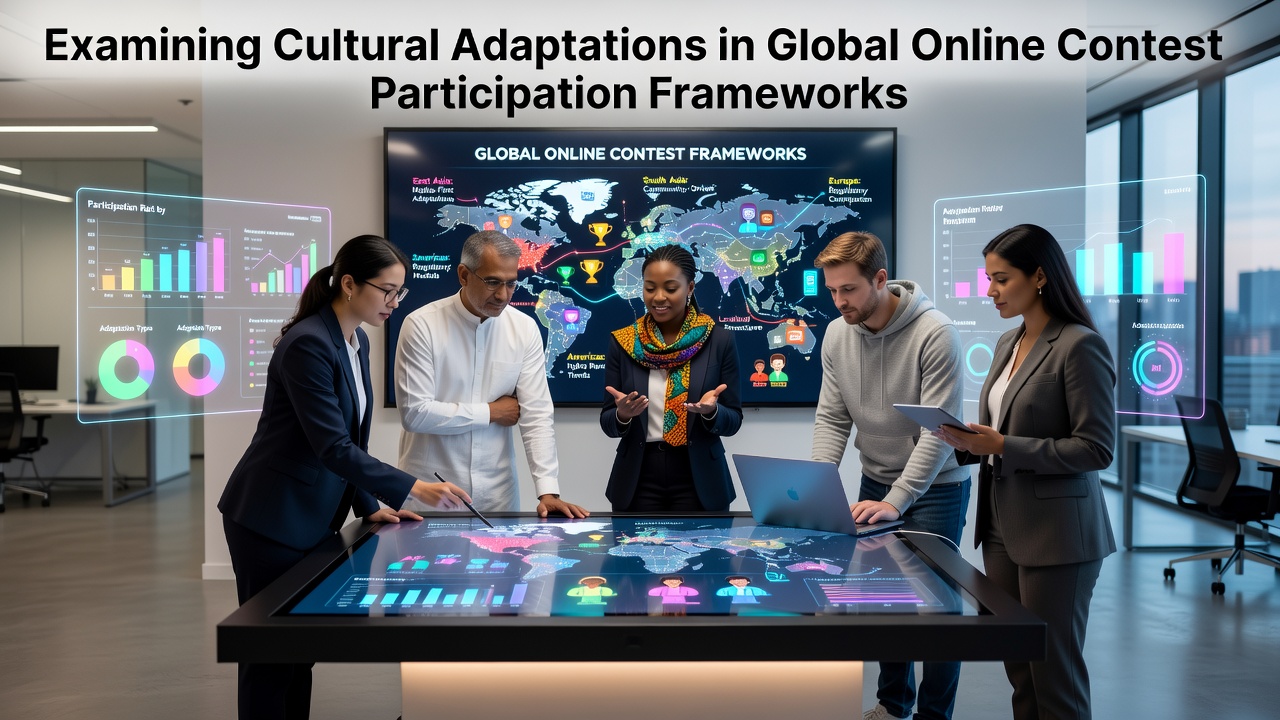
Examining Cultural Adaptations in Global Online Contest Participation Frameworks
Online contest participation frameworks have evolved to address distinct cultural expectations that shape how users from various regions engage with digital promotions, and these adaptations reflect differences in regulatory environments, social norms, and technological access patterns. Platforms adjust entry protocols, prize structures, and communication styles to align with local practices while maintaining compliance across borders. Data from multiple international studies show that participation rates vary significantly when frameworks incorporate region-specific elements such as language localization and culturally appropriate prize selections.
Regulatory Variations Across Jurisdictions
Legal requirements differ sharply between countries, which forces contest organizers to implement modular rule sets that accommodate each market. In the European Union, data protection standards under the General Data Protection Regulation require explicit consent mechanisms before users submit entries, whereas Canadian frameworks emphasize transparency around odds disclosure through guidelines issued by the Competition Bureau. Observers note that these distinctions lead to customized interfaces where participants in one region see additional privacy checkboxes that do not appear elsewhere, and this modular approach prevents violations while preserving user trust. As of October 2026, updated reporting from regulatory bodies indicates rising cross-border participation when platforms apply these tailored compliance layers consistently.
Localization of Entry and Communication Methods
Language support and interface design represent core adaptation areas where platforms translate not only text but also cultural references embedded in contest instructions. Researchers have documented higher completion rates when prompts use familiar idioms and avoid direct translations that might confuse users in high-context communication cultures such as Japan and South Korea. Entry methods also shift according to preferred devices and payment ecosystems, with mobile-first designs dominating in Southeast Asia while desktop options remain prominent in parts of North America. These changes connect directly to observed increases in repeat submissions because users encounter fewer friction points during the process.
Cultural Influences on Prize Preferences and Engagement Timing
Prize categories reveal pronounced regional differences that platforms address through segmented reward catalogs. Studies indicate stronger interest in experiential prizes among Latin American participants, while cash equivalents and household goods attract higher engagement in many Middle Eastern markets. Timing of contest cycles further adapts to local calendars, with organizers aligning major draws to festivals or national holidays that already carry themes of fortune and community celebration. Such synchronization produces measurable upticks in entry volumes because participants integrate contest activities into existing social rituals rather than treating them as isolated events.
Technological Adjustments for Accessibility and Trust
Interface elements such as verification steps and notification preferences undergo modification to match varying levels of digital literacy and concerns about data security. In regions with lower broadband penetration, simplified forms and offline entry alternatives appear more frequently, according to findings from academic analyses of emerging market participation. Trust signals also vary, with some cultures responding better to government-backed endorsements while others prioritize peer testimonials and visible winner lists. Platforms incorporate these signals selectively to maintain credibility without overwhelming users who encounter different visual hierarchies in their daily online interactions.
Observed Patterns in Multi-Region Participation Data
Aggregated figures reveal that frameworks incorporating at least three localized elements experience broader geographic reach compared with standardized global versions. One analysis of multi-state digital promotions highlighted clusters of repeat access originating from specific urban centers where cultural familiarity with contest mechanics had already developed through earlier offline traditions. These patterns demonstrate how historical precedents influence modern digital behaviors, and they encourage organizers to review historical participation logs before launching new campaigns in unfamiliar territories.
Conclusion
Global online contest participation frameworks continue to refine their structures in response to documented cultural and regulatory distinctions, resulting in more inclusive systems that respect local norms while preserving operational consistency. Continued monitoring of participation metrics across regions supplies the evidence needed to sustain these adaptations over time.